FIFA World Cup 2026 Tactical Approaches: Building Championship-Winning Strategies
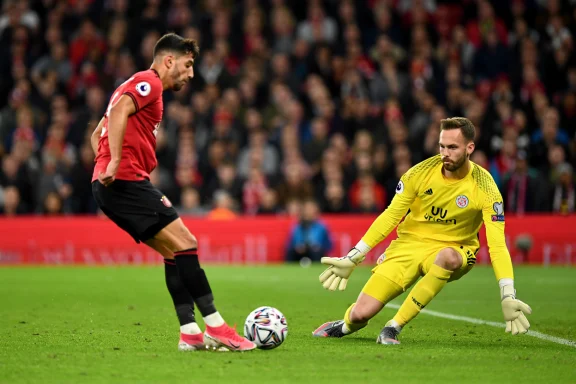
Preparing for the fifa world cup 2026 requires understanding modern tactical evolution in international football. Contemporary managers implement sophisticated systems designed to overcome defensive structures, create numerical advantages in key areas, and establish defensive solidity under tournament pressure. For updated world cup 2026 groups, matchups, and odds that react to tactical trends, keep track of the tournament hub.
The expanded format of the fifa world cup 2026 introduces unique tactical challenges. With 48 teams competing and 16 group compositions, managers must develop flexible systems accommodating various opponent styles and strategic approaches.
Pressing Systems and Defensive Organizations
Modern teams employ aggressive pressing systems forcing turnovers in dangerous areas:
-
Front-line pressing: Forwards harass opposition ball carriers immediately
-
Midfield interception zones: Central midfielders cover passing lanes
-
Defensive positioning: Center backs organizes shape and distribution
-
Goalkeeper contributions: Modern goalkeepers function as additional field players
Teams implementing high-pressure systems successfully execute these strategies across all 90+ minutes, requiring exceptional fitness and tactical discipline.
Defensive Compactness and Shape
Alternative defensive approaches emphasize:
-
Organized shape maintenance and positioning discipline
-
Minimal space between lines reducing penetration opportunities
-
Goalkeeper distribution initiating rapid transitions
-
Defensive organization withstanding sustained pressure
Attacking Philosophies and Goal Creation
Teams pursuing the fifa world cup 2026 trophy employ diverse attacking methodologies. Possession-dominant approaches focus on controlling game tempo and territory. Direct attacking styles emphasize rapid transitions and counter-attacking opportunities.
Modern attacking systems typically combine:
-
Width exploitation through fullback advancement
-
Central overload creation through midfielder positioning
-
Finishing quality and decision-making in final third
-
Set-piece specialization for standardized situations
Group Stage Tactical Considerations
The fifa world cup 2026 group stage requires teams balancing aggressive championship intentions with cautious advancement guarantees. Early tournament matches often feature conservative approaches prioritizing advancement over spectacular attacking football.
Tactical flexibility becomes essential. Teams must adjust approaches based on opponent strategies and match circumstances. Coaches implementing rigid systems struggle when opposition unexpectedly alters formation or pressing intensity.
Squad Depth and Positional Coverage
Elite teams competing in major tournaments require:
-
Multiple options at each positional category
-
Tactical flexibility enabling positional interchangeability
-
Established substitutes capable of immediate impact
-
Youth development producing emerging competition
Formation Flexibility
Successful managers implement multiple formation options:
-
4-3-3 variants providing width and central control
-
4-2-3-1 systems emphasizing defensive stability
-
3-5-2 approaches utilizing fullback attacking contributions
-
5-3-2 defensive compactness against superior opponents
Set-Piece Specialization
Modern tournament football emphasizes standardized situation execution:
-
Corner kick organization: Attacking and defending approaches
-
Free kick specialization: Direct attempts and wall penetration
-
Penalty kick management: Psychological preparation and execution
-
Throw-in systems: Advanced positioning and possession maintenance
Teams excelling in set-piece situations gain marginal advantages converting minimal opportunities into scoring chances.
Player Role Specialization Within Tactical Systems
Goalkeeper Responsibilities
Modern goalkeepers functioning within the fifa world cup 2026 environment must master:
-
Distribution accuracy initiating offensive transitions
-
Sweeper-keeper positioning behind defensive lines
-
Communication directing defensive organization
-
Quick-release passing under pressure situations
Central Midfield Dominance
Central midfielders control match tempo through:
-
Possession retention and circulation
-
Pressing trigger execution and recovery positioning
-
Forward transition acceleration
-
Defensive cover and shape maintenance
Fullback Contributions
Modern fullbacks provide:
-
Width exploitation and attacking participation
-
Defensive cover and positional discipline
-
Cross delivery and final-third penetration
-
Transition involvement between defense and attack